Get in touch
"At $99 with aggressive preorder trade-in incentives, the Fitbit Air is the most accessible entry to screenless tracking on the market." It successfully matches the form factor of the premium Whoop band while undercutting it on price and eliminating mandatory monthly subscriptions for core data. For those moving from a traditional Fitbit smartwatch who want simplicity and comfort
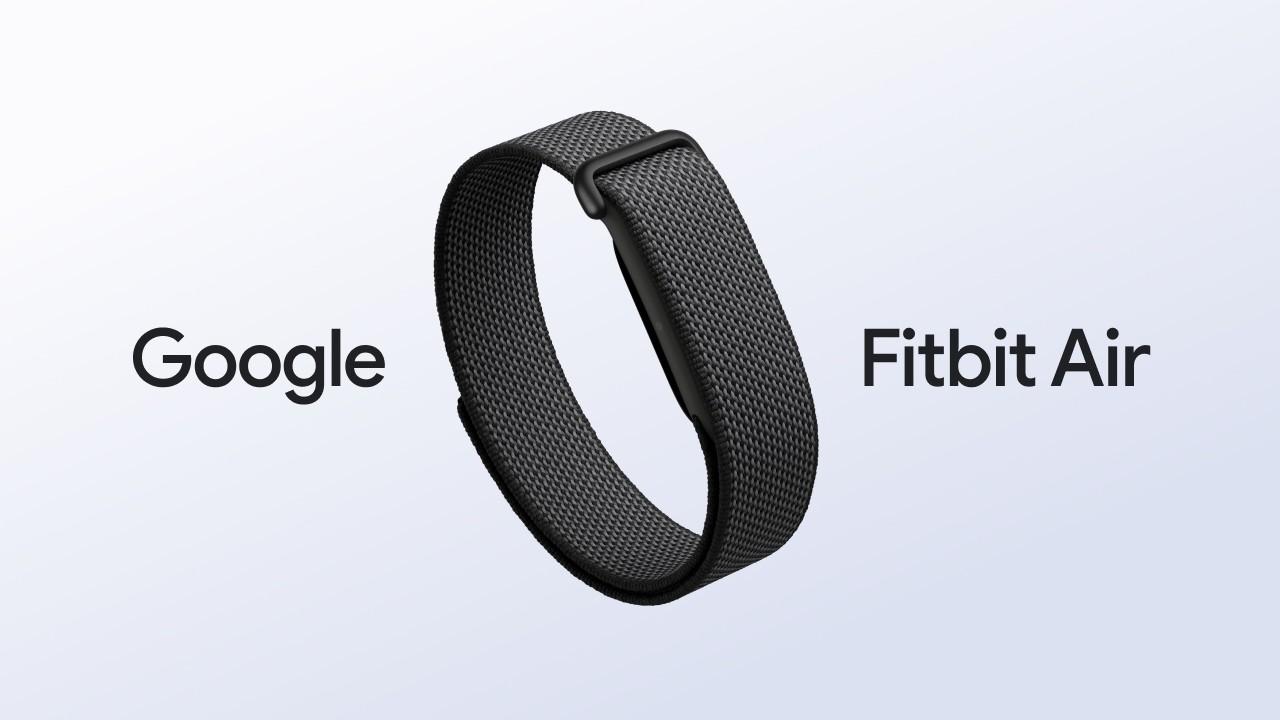
Officially launched on May 7, 2026, the Google Fitbit Air is a direct response to the rising popularity of subscription-heavy, screenless trackers. Google has fundamentally redesigned its entry-level wearable philosophy, moving away from affordable smartwatches like the Versa and focusing on the essence of "continuous wrist presence."
The result is a device built to be "passive, proactive, and out of the way." It is not a smartwatch. It has no screen. To check your stats, you pull out your phone.
The core of the system is the miniature "pebble" tracker. It is incredibly small—just 5.2 grams for the device itself. Google claims users will "forget it's there," making it perfect for 24/7 wear and the primary reason many will upgrade from bulky smartwatches.
The screenless nature doesn't mean it’s light on data. The Fitbit Air is packed with high-fidelity sensors:
24/7 Health Monitoring: Standard metrics include 24/7 heart rate monitoring, resting heart rate, heart rate variability (HRV), and SpO2 levels.
AFib Detection: The Air monitors heart rhythm in the background and will alert you to signs of atrial fibrillation (AFib), although it lacks the manual ECG app found on the premium Sense line.
Skin Temperature Variation: This is a key feature, especially for women. The device tracks overnight skin temperature against your personal baseline in tenths of a degree. While it doesn't give an absolute temperature reading, it is verified to detect ovulation patterns and other hormonal shifts.
Automatic Workout Detection: Since there is no screen, you can't manually start a run. Instead, the Air uses machine learning to detect common activities—gym work, running, and swimming (up to 50m water resistance). It is designed to get better over time at recognizing your routines.
Sleep Tracking: Google claims the smaller size makes sleep tracking significantly more comfortable. The Air provides detailed duration and sleep stage data.
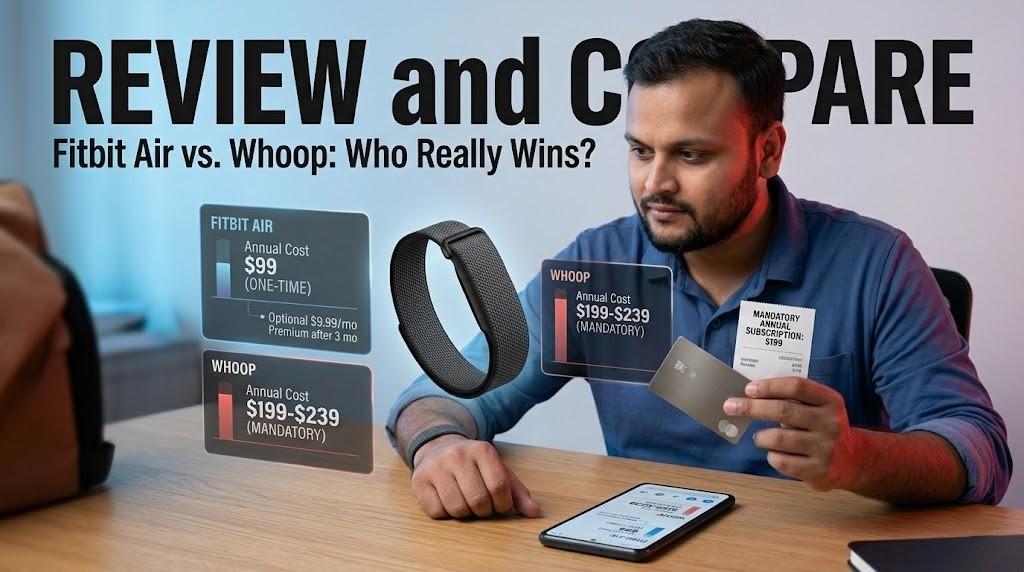
The defining narrative of the Fitbit Air is its direct competition with the Whoop 4.0/5.0 system. The math gets interesting:
| Feature | Google Fitbit Air | Whoop (4.0/5.0) |
|---|---|---|
| Price | $99.99 (one-time) | Free with Subscription |
| Subscription | Optional ($9.99/mo after 3 mo trial) | Mandatory ($199–$239/year) |
| Core Metrics Access | Free | Sub-only |
| GPS | Connected GPS (Uses phone) | None (Uses phone) |
| Screen | Screenless | Screenless |
| Form Factor | Small, rounded pebble (12g) | Small, flatter band |
While Whoop is known for its elite recovery metrics and "Strain" algorithm, the Fitbit Air wins significantly on cost. For the vast majority of users who want high-quality 24/7 data without a steep annual cost, the $99 one-time purchase is highly disruptive.
The launch of the Fitbit Air coincides with a major rebranding of the Fitbit app into the 'Google Health' app. Existing Fitbit users will be upgraded automatically.
This new app aims to bring together data from wearables, Health Connect, Apple Health, and medical records.
Preorders of the Fitbit Air come with a free three-month trial of Google Health Premium (formerly known as Fitbit Premium, $9.99/month).
Premium access unlocks the new Google Health Coach, an AI-driven tool that can even log exercises by "snapping photos of gym equipment or whiteboard routines."
$99 Price Point: An incredible value for the sensor package, especially when comparing the long-term cost of Whoop.
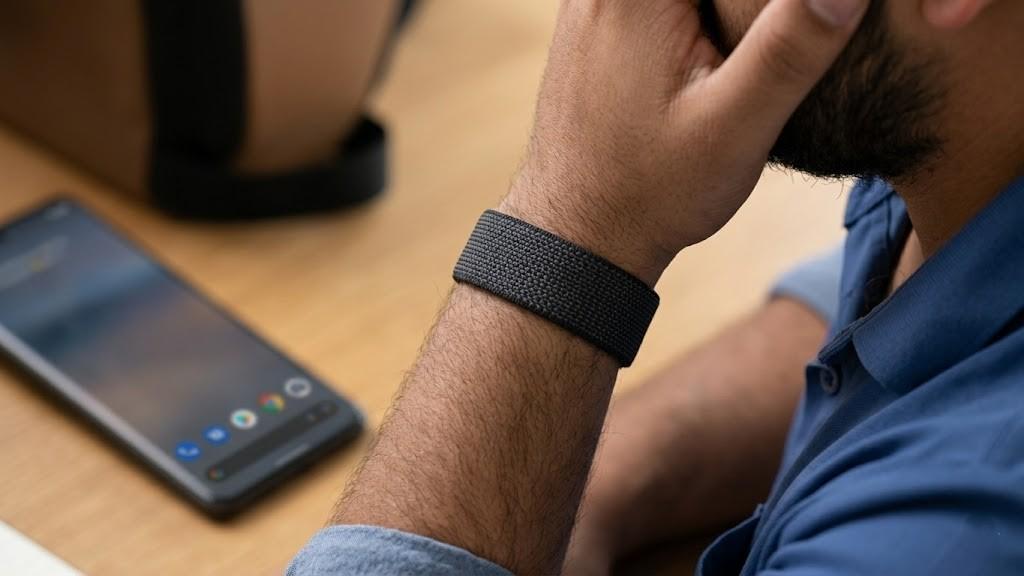
Supreme Comfort: At just 12 grams with the band, this is the most comfortable Fitbit ever made.
Ecosystem Integration: Highly polished integration with the new Google Health app and Pixel ecosystem.
Focus & Battery Life: One week of battery life and the total elimination of notifications allow you to focus, not be distracted.
No Screen: You must have your phone with you to check any stat, time, or notification.
No On-Device GPS: Relying on 'Connected GPS' means runners or walkers who train phone-free must accept a step down.
No Manual ECG Sensor: Background AFib alerts are present, but you cannot take a single, on-demand reading like on the Sense 2 or Pixel Watch.
Thick Design: It is nearly 11mm thick. While light, it can feel bulky if you are stacking it with other rings (like Oura) on the same arm.
google fitbit air video
Final Verdict
The Google Fitbit Air is exactly what the entry-level health market needed: a "set and forget" wearable that offers premium data without a premium ongoing cost. By directly undercutting Whoop, Google has made high-end 24/7 health tracking truly accessible.
If you use your Fitbit as a smartwatch, do not buy this device. But if you value comfort, focus, and highly integrated health data over constant notifications, the Fitbit Air is likely the most optimized device you can buy for under $100.
Buy Now From Official Store: Google FitBit Air
Your email address will not be published. Required fields are marked *